Copycat Panda Express Chow Mein Recipe – Quick and Easy 15-Minute Noodles

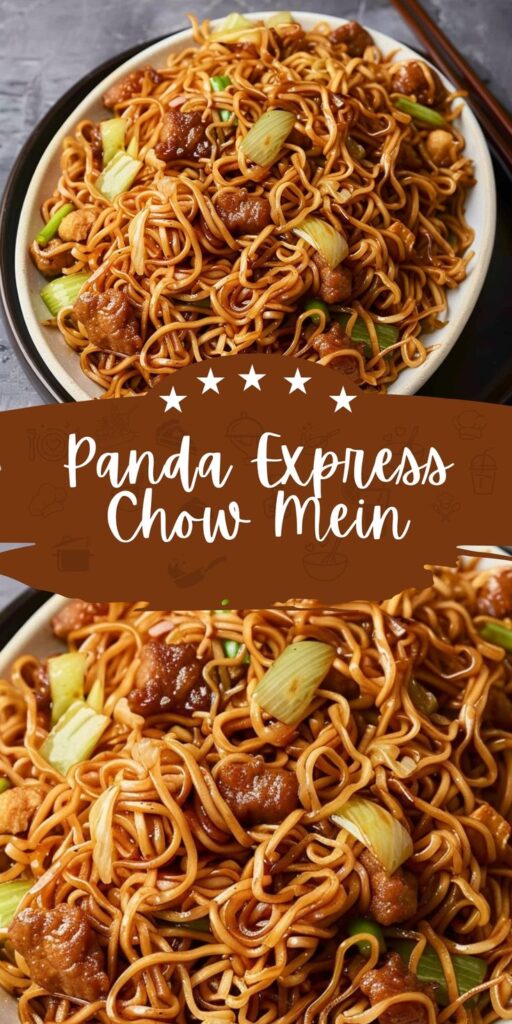

If you’ve ever found yourself craving Panda Express chow mein, you’re not alone. Those perfectly cooked noodles, lightly sauced cabbage, and savory flavor are hard to resist. The good news? You can recreate that same comforting taste at home with this Copycat Panda Express Chow Mein recipe, and it takes just 15 minutes from start to finish.
Simple ingredients, fast cooking, and that familiar takeout-style flavor make this dish a go-to for busy days when you want something satisfying without the wait.
Why Panda Express Chow Mein Is So Popular
This chow mein stands out for its simplicity. It’s not overly saucy or heavy. Instead, it relies on well-cooked noodles, tender cabbage, and a savory seasoning that coats everything just enough.
The flavor is mild, comforting, and incredibly versatile, making it the perfect side dish or quick main when paired with your favorite protein.
Recipe Overview
-
Difficulty Level: Easy
-
Prep Time: 5 minutes
-
Cook Time: 10 minutes
-
Total Time: 15 minutes
-
Cooking Method: Stir-Frying
-
Estimated Cost: Low
-
Number of Servings: 1 bowl per serving
-
Best Season: All seasons
Ingredients
This recipe uses pantry-friendly ingredients and fresh vegetables to recreate the familiar Panda Express chow mein flavor. The balance of noodles and lightly seasoned vegetables gives the dish its signature taste and texture.
Equipment Needed
You’ll only need a few basic tools to make this dish quickly and efficiently:
-
Wok or large skillet
-
Spatula or tongs
-
Knife and cutting board
-
Mixing bowl
A wide pan helps the noodles heat evenly and prevents sticking.
How to Make Copycat Panda Express Chow Mein
Step 1: Cook the Noodles
Prepare the noodles until just tender, then drain well. This keeps them springy and prevents them from becoming mushy during stir-frying.
Step 2: Stir-Fry the Vegetables
Heat oil in a pan and stir-fry the vegetables until slightly softened but still crisp. This creates the signature texture found in Panda Express chow mein.
Step 3: Add the Noodles
Add the cooked noodles to the pan and toss gently, allowing them to absorb the flavors from the vegetables and oil.
Step 4: Season and Finish
Add the seasonings and continue tossing until everything is evenly coated and heated through. The noodles should be glossy, tender, and well balanced in flavor.
Flavor and Texture Experience
This chow mein delivers:
-
Soft yet slightly chewy noodles
-
Lightly seasoned vegetables
-
Savory, comforting flavor
-
Clean finish without heaviness
It’s simple, familiar, and incredibly satisfying.
Serving Suggestions
Copycat Panda Express Chow Mein pairs well with:
-
Orange chicken
-
Honey chicken
-
Beef or chicken stir-fry
-
Spring rolls or egg rolls
It also works perfectly as a quick standalone meal.
Cuisine and Dietary Information
-
Cuisine: Chinese-American
-
Course: Main Course or Side Dish
-
Cooking Method: Stir-Frying
-
Dietary Notes:
-
Dairy-Free
-
Helpful Cooking Tips
-
Don’t overcook the noodles
-
Use high heat for quick stir-frying
-
Toss gently to avoid breaking noodles
-
Serve immediately for best flavor
A few small tips ensure takeout-style results.
Frequently Asked Questions
Is Panda Express chow mein spicy?
No, it’s mild and savory rather than spicy.
Can this be made ahead of time?
It’s best enjoyed fresh, but leftovers can be reheated quickly.
What kind of noodles work best?
Wheat-based chow mein or yakisoba-style noodles work well.
Can vegetables be adjusted?
Yes, but keeping it simple maintains the classic flavor.
Is this recipe good for beginners?
Absolutely. It’s quick, easy, and very forgiving.
Final Thoughts
This Copycat Panda Express Chow Mein Recipe brings the familiar takeout favorite straight into your kitchen in just 15 minutes. Lightly seasoned noodles, tender vegetables, and fast cooking make it the perfect solution for busy days or last-minute cravings.
Copycat Panda Express Chow Mein Recipe – Quick and Easy 15-Minute Noodles
This spot-on copycat of Panda Express Chow Mein features stir-fried noodles with crisp cabbage and celery in a perfectly balanced savory sauce. Ready in 15 minutes and tastes just like the original.
Ingredients:
Instructions
-
If using fresh yakisoba noodles, remove from package and separate them gently. If using dried noodles, cook according to package directions until just al dente, then drain and toss with a little oil to prevent sticking.
-
Prepare all vegetables and have the sauce ingredients ready. Chow mein cooks very quickly, so everything should be within arm's reach.
-
In a small bowl, mix together the soy sauce, oyster sauce, sugar, sesame oil, and white pepper. Set aside.
-
Heat a large wok or skillet over high heat until smoking. Add vegetable oil and swirl to coat.
-
Add the garlic and stir-fry for 10 seconds until fragrant. Immediately add the cabbage and celery.
-
Stir-fry the vegetables for 2-3 minutes until slightly softened but still crisp. They should retain some crunch.
-
Add the noodles to the wok. Use tongs to toss and spread them out. Let them sit for 30 seconds to get a little char, then toss again.
-
Pour the sauce mixture over the noodles. Toss continuously for 1-2 minutes until the sauce is evenly distributed and absorbed.
-
Add the green onions and toss for another 30 seconds.
-
Transfer to a serving plate and serve immediately while hot..
Note
Fresh yakisoba noodles from the refrigerated section work best for this recipe as they have the perfect chewy texture. If you can only find dried noodles, look for Hong Kong-style pan-frying noodles. The vegetables should stay slightly crunchy – don't overcook them. This dish is best served immediately; noodles can become soft if they sit too long.

Frequently Asked Questions
Where can I find yakisoba noodles?
Fresh yakisoba noodles are typically found in the refrigerated section of Asian grocery stores or near the tofu in regular supermarkets. They're often sold in 14 oz packages.
Can I add meat to this recipe?
Absolutely! Add sliced chicken, beef, or shrimp. Cook the protein first, set aside, then proceed with the recipe and add it back with the green onions at the end.
Why are my noodles mushy?
Mushy noodles usually result from overcooking or too much sauce. Make sure your heat is high, cook quickly, and don't add extra liquid. Fresh noodles shouldn't need any pre-cooking.